1 Best Open-Source Alternatives to Leonardo AI in 2026
By Noahlast updated
All 5 Leonardo AI alternatives
Compared: open-source alternatives to Leonardo AI
| Alternative | Best for | Standout | Biggest weakness | Learning curve | Price |
|---|---|---|---|---|---|
| Leonardo AIreference | game artists and concept artists who need multiple fine-tuned AI models plus in-app editing (inpainting, upscaling) rather than a single-model prompt-only workflow | A large library of selectable fine-tuned image models (including community-trained, style-specific checkpoints) combined with a real-time editing canvas for inpainting and upscaling in the same workspace. | Generation is metered by token credits that are consumed quickly at higher resolutions or with iterative editing, so heavy users can burn through a plan's monthly allowance well before the billing period resets; pricing details were also not independently verifiable on-site due to the site blocking automated fetches. | Moderate | Free |
| Stable Diffusion | developers and enterprises wanting a self-hostable, fine-tunable image generation model that's free under the Community License for small-scale or non-commercial use, rather than a closed API-only image generator | Open model weights that can be downloaded, self-hosted, and fine-tuned at no cost under the Community License for eligible users, with a hosted Platform API and Brand Studio available for teams that want managed infrastructure instead. | The free Community License only applies below a $1M annual revenue threshold, above which organizations need a separately negotiated Enterprise License, and per-image Platform API costs vary by model version and resolution in ways that aren't transparently listed on the marketing site. | Steep | Free |
 Leonardo AI
 Stable Diffusion
1.Stable Diffusion — best Leonardo AI alternative for developers and enterprises wanting a self-hostable, fine-tunable image generation model that's free under the Community License for small-scale or non-commercial use, rather than a closed API-only image generator
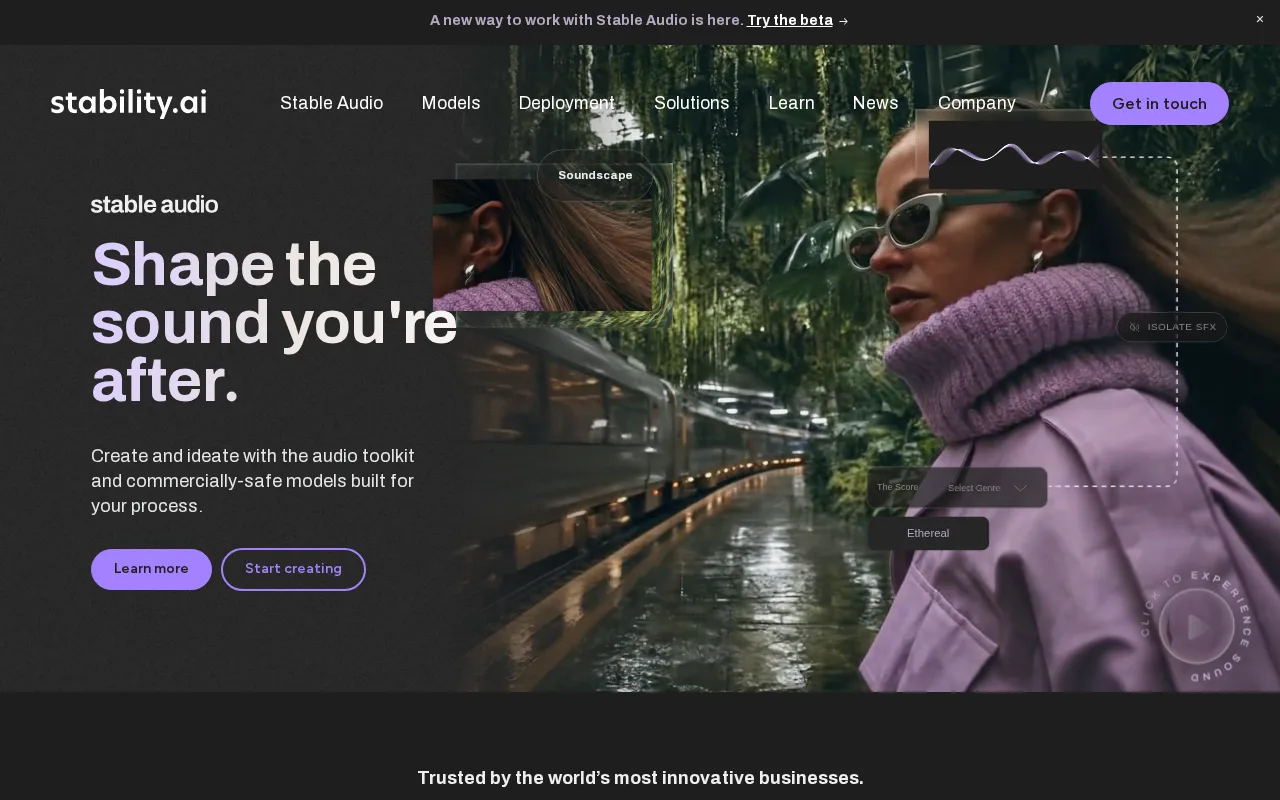
Stable Diffusion is the best Leonardo AI alternative for developers and enterprises who want to download, self-host, and fine-tune an open-weight image model, rather than relying entirely on Leonardo AI's closed, hosted platform. Self-hosting is free under the Stability AI Community License for individuals, non-commercial use, and organizations with under $1M in annual revenue, a broader no-cost tier than Leonardo AI's own Free plan, which only grants limited daily generation tokens on Leonardo AI's servers. Stable Diffusion holds a 5/5 Product Hunt rating from 9 reviews, more evidence than Leonardo AI's 5/5 from just 4 reviews. Stability AI also runs a pay-as-you-go Platform API and a Brand Studio SaaS application for teams that don't want to manage their own GPU infrastructure, mirroring the hosted convenience Leonardo AI offers by default. Leonardo AI remains the better choice for anyone who wants a ready-to-use canvas with inpainting, outpainting, and upscaling without managing infrastructure: Stable Diffusion's self-hosting and fine-tuning require GPU infrastructure and ML tooling knowledge, a steeper learning curve than Leonardo AI's browser-based workflow, and the free Community License ends at the $1M annual revenue threshold, above which organizations need a separately negotiated Enterprise License.
Compared to Leonardo AI: open model weights free to self-host and fine-tune under the Community License, 5/5 from 9 Product Hunt reviews vs Leonardo AI's 5/5 from 4, steeper GPU/ML learning curve than Leonardo AI's browser-based canvas
Wins:Open model weights can be downloaded, self-hosted, and fine-tuned, free under the Community License for individuals, non-commercial use, and organizations under $1M in annual revenue · 5/5 Product Hunt rating from 9 reviews, more evidence than Leonardo AI's 5/5 rating from just 4 reviews · Named enterprise customers (Electronic Arts, HubSpot, UMG, Warner Music Group) demonstrate production-scale use beyond what Leonardo AI's listing documents
Loses:Self-hosting and fine-tuning require GPU infrastructure and ML tooling knowledge, a steeper learning curve than Leonardo AI's browser-based canvas workflow · No built-in inpainting, outpainting, or upscaling canvas bundled the way Leonardo AI's workspace provides out of the box · Free Community License ends at $1M in annual revenue, after which organizations need a separately negotiated Enterprise License
Pros
- Open model weights can be downloaded, self-hosted, and fine-tuned rather than accessed only through a closed API.
- Free under the Community License for individuals, non-commercial use, and organizations under $1M in annual revenue.
- Platform API and Brand Studio offer a managed path for teams that don't want to run their own GPU infrastructure.
- Named enterprise customers (Electronic Arts, HubSpot, UMG, Warner Music Group) demonstrate production-scale use.
Cons
- Self-hosting and fine-tuning require GPU infrastructure and ML tooling knowledge, a steep learning curve versus closed API tools.
- Community License free tier ends at $1M in annual revenue, after which pricing requires a sales conversation.
- Per-image Platform API and Brand Studio pricing isn't transparently published on the marketing site.
Pricing: Free — $0 self-hosted under the Community License (eligible users) vs Leonardo AI's Free plan with limited daily tokens; Stable Diffusion's Platform API and Enterprise License pricing were not independently verified, matching Leonardo AI's own unverified paid tiers